Smart Mobs

In his 2003 book, Smart Mobs, futurist Howard Rheingold predicted the next social revolution would be triggered by the ubiquity of mobile phones. Their ability to send text messages, photographs, videos, and other instant data directly to a computer, he predicted, would give people a powerful new way to organize themselves on the fly, battle social ills as they are happening and ultimately transform cultures and reshape communities—for better or worse.
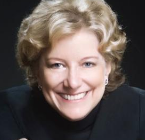
Rheingold's glimpse of the future is now—and is being promoted by a rising new crop of mobile activists like Katrin Verclas, cofounder and editor of MobileActive.org, a months-old Web site and community of about 8,000 people and NGOs from around the world. Verclas will be hosting a conference in Tokyo this fall to further promote the use of the technology and to "connect people and mobilize them for change," she says. Verclas estimates that about 80% of the world has cellphone coverage, and more than half of the global population has a cellphone—or has access to one. "We're at a critical time," she told me, " and 2009 will be the tipping point."
One recent example of where so-called smart mobs have already made a difference involves the National Democratic Institute, the U.S.-based nonprofit that promotes democracy abroad and sends volunteers to monitor polling places for corruption in potentially problematic democratic elections. A vote in Sierra Leone last August almost collapsed amid rumors of violence (also spread through text messages)—but order was quickly restored when some 500 NDI observers at the various polling places sent text messages to the central system saying that the rumors were false.
Cellphone activism is just getting started. Corruption will become even harder to hide as mobile phones improve their capacity as cameras able to capture police brutality, government corruption, or corporate crime as it occurs. The recent crackdown by Myanmar's junta on its Buddhist monks may not have been covered as widely had it not been for phone-toting witnesses who sent photos and videos of the uprising past censors to global broadcast networks and news outlets. "Mobile phones can get around the censorship controls that governments have been able to put on the Internet so far," Verclas says.
But the mobile-action movement is not only about playing the game of "gotcha." According to a recent story in The Economist magazine, shoppers in South Africa can now text-message the name of a fish to a service called FishMS and get an instant recommendation to "tuck in" or "think twice" about eating it, based on information telling how the fish was caught and whether the species is endangered. Similarly, the magazine reported, Londoners can now text a service called AirTEXT to get real-time data on air quality and alerts when pollution is spiking.
But will this increasingly cause-wired mainstream always work the upside? At a recent conference I attended at Oxford University, I asked Verclas about the odds that not-so-smart (or not-so-benevolent) mobs with cellphones could form surveillance squads or commit random snooping.
"Sure it could happen," she acknowledged. "But I figure it's an arms race. Better to have a wired version of a neighborhood watch out there to combat those who want to steal the civil liberties and freedoms and privacy of others. Mobile phones are empowering. With mobile phones, you have the choice to fight back."
What do you think?
Labels: Katrin Verclas, mobile Internet, Skoll Forum, smart mobs, social change, social media, Web 2.0
posted by Marcia Stepanek at
12:55 PM
0 Comments